
Native grasses and sedges are foundational pillars that anchor resilient landscapes, stabilize soils, and sustain local wildlife. Their deep, fibrous root systems—which can reach several feet underground—bind the soil to prevent erosion, enhance water infiltration, and sequester carbon far more effectively than traditional turf grass. Beyond their underground benefits, these low-maintenance plants serve as critical keystone species by providing shelter, nesting sites, and nutritious seeds for birds, as well as essential larval host plants for specialized butterflies and moths.
While grasses and sedges have many similarities, there are also many important differences. Learn more about these fascinating and ecologically important plants, and how to identify them, through this presentation with botanist, Chris Benda
About Our Speaker
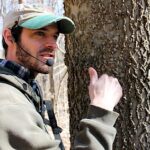 Christopher David Benda is a botanist living in southern Illinois. He coordinates the Plants of Concern Southern Illinois Program for the Chicago Botanic Garden, conducts rare plant surveys for the Shawnee National Forest, and teaches The Flora of Southern Illinois at Southern Illinois University. An accomplished photographer under the moniker Illinois Botanizer, Chris shares his extensive collection of plant photos on his website, illinoisbotanizer.com. He can be reached by email at [email protected].